NFPA 25 and NFPA 291: What Newark Property Managers Need to Know About Fire Hydrant Flow Testing
Property managers in Newark, NJ, face specific compliance demands around hydrant flow testing. This guide covers what NFPA 25 and NFPA 291 require, who is responsible, and how test results affect insurance and occupancy permits.
Newark is a densely developed city in Essex County with a large stock of commercial warehouses, multifamily housing, industrial facilities near the Port, and mixed-use buildings across neighborhoods like the Ironbound, downtown, and the North Ward. Many of these properties sit on aging water infrastructure, making routine fire hydrant flow testing in Newark, NJ, especially relevant.
What NFPA 25 Requires for Hydrant Inspections and Flow Testing
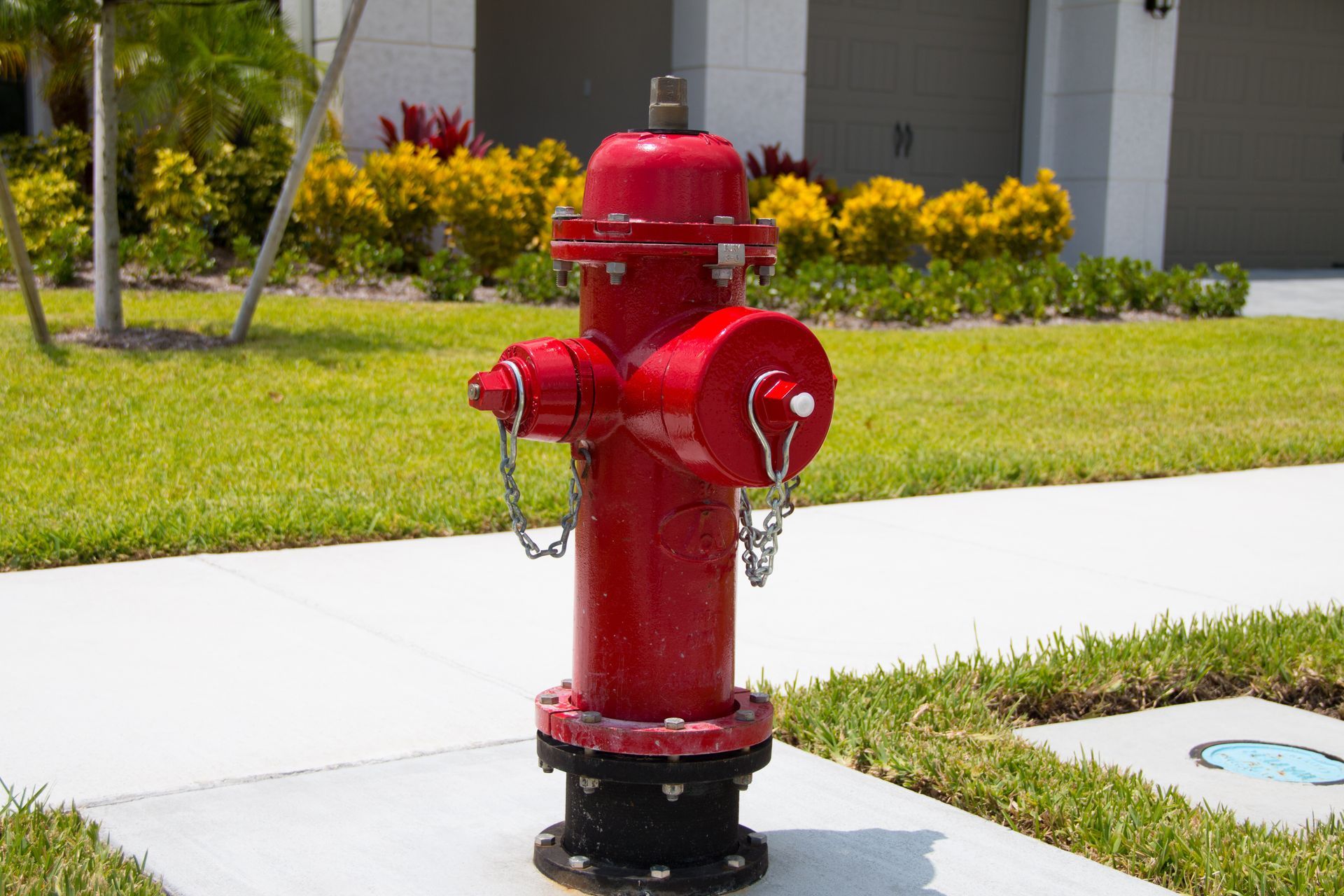
NFPA 25 sets the baseline for hydrant compliance at private properties. Private hydrants must be inspected annually and fully flowed for at least one minute to verify operation. A more detailed water supply flow test is required every five years to confirm the system still delivers adequate pressure and volume. These requirements apply to any hydrant on private property, including parking lots, shopping centers, warehouses, and apartment complexes.
The property owner or their designated representative carries the scheduling responsibility. It is not the duty of the city or local fire department. If you manage a property in Newark, NJ, with private hydrants, fire hydrant flow testing in Newark, NJ, falls on your team to arrange.
Newark's aging infrastructure adds urgency. Older water mains can lose capacity over time, and seasonal weather can affect performance, which is why local fire officials often recommend testing more frequently than the national minimum.
How NFPA 291 Governs the Testing Procedure and Documentation
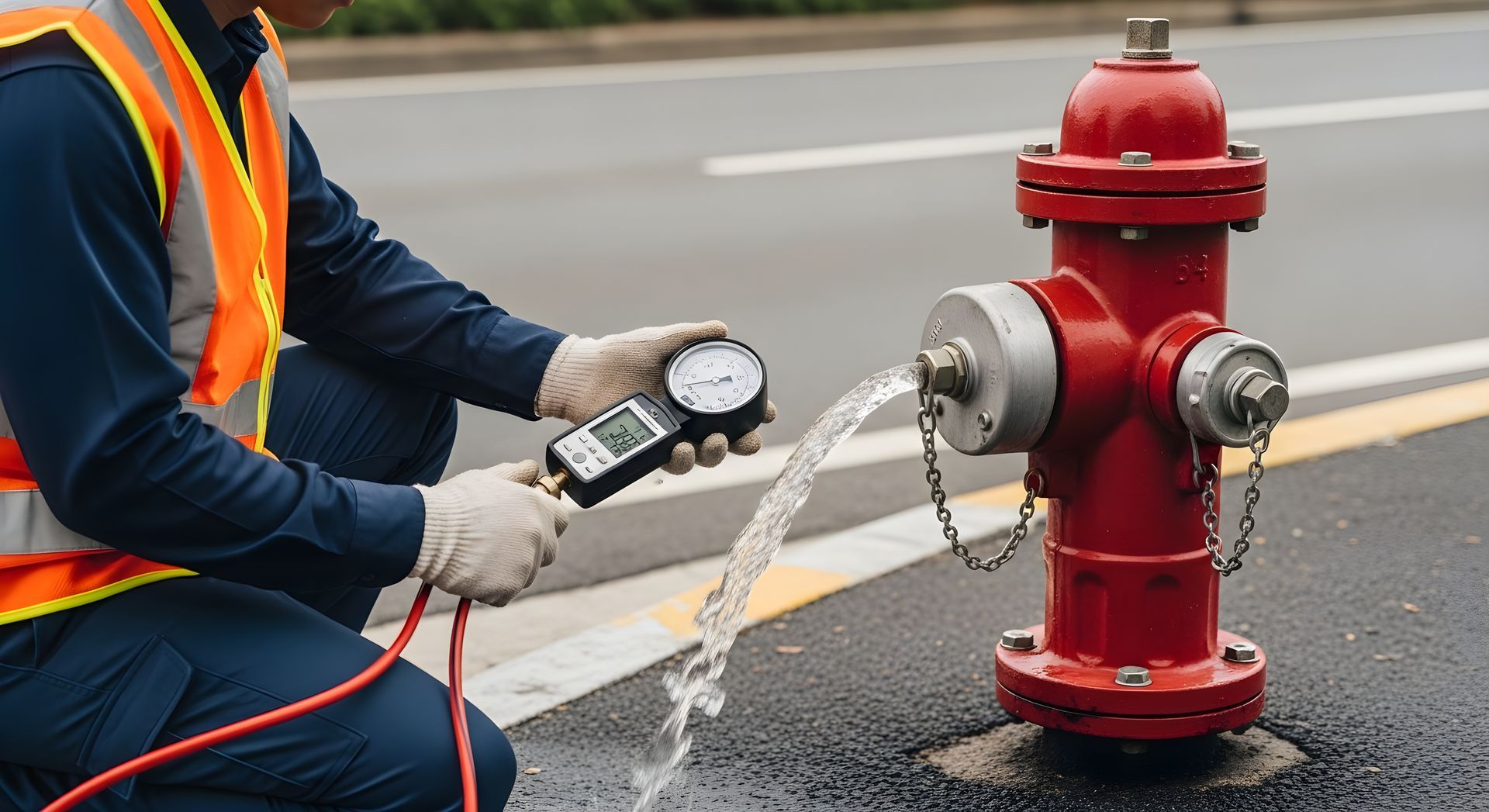
NFPA 291 is the recommended practice that governs how a flow test is conducted and what the resulting report must document. A compliant test requires three core measurements at the hydrant: static pressure (the pressure in the main before any hydrants are opened), residual pressure (the pressure remaining while water is actively flowing), and test flow rate (volume discharged, measured in gallons per minute). NFPA 291 requires that residual pressure stay at or above 20 psi during fire flow and that a minimum 25 percent pressure drop from static to residual occur at the test hydrant.
A properly documented NFPA 291 report must include a location map showing hydrant positions, pipe sizes, and distances to cross-connected lines, along with all flow and pressure readings. All pressure gauges must be calibrated at least once every 12 months.
What a Compliant Test Report Must Include
A report accepted by the Authority Having Jurisdiction (AHJ) and insurance carriers must contain the date, time, and specific location of the test; the name and certification number of the technician; static pressure, residual pressure, and flow rate readings; a location diagram showing hydrant placement and line sizes; any observed deficiencies; and a signature or verification from a qualified inspector.
Records must be retained on-site and made available to the AHJ upon request, generally for at least one year beyond the next corresponding test cycle. Incomplete reports or uncertified technicians may result in rejection during a fire marshal review.
How Test Results Affect Insurance and Occupancy Permits
Insurance Coverage and Premium Impact
Insurance providers often require documented hydrant flow test results as part of their risk assessment for commercial and industrial properties. When pressure and flow data confirm hydrants are functioning well, insurers may view the property as lower risk. Outdated or missing records can complicate coverage renewals or lead to unfavorable underwriting outcomes. Scheduling a fire flow test before a policy renewal is a practical way to keep records current.
Occupancy Permits and Code Compliance in Newark, NJ
Local codes in Newark, NJ, may require hydrant flow tests as part of the occupancy permit process. Businesses, schools, and industrial sites may need certified test reports before permits are approved or renewed. Engineers also rely on flow test data when designing or upgrading sprinkler systems. If results show lower pressure than the system was designed around, corrective action may be required before your fire protection system can be certified.
When Should You Schedule a Flow Test?
Consider scheduling a fire flow test if your last test was more than two years ago, your building recently underwent renovations or added new fire protection systems, you have received water pressure complaints, you manage a high-occupancy building or healthcare facility, or your insurer or a local ordinance has requested updated reports.
What Is the Difference Between NFPA 25 and NFPA 291 for Hydrant Testing?
NFPA 25 establishes when private hydrants must be inspected and flow tested. NFPA 291 provides the recommended procedures and documentation requirements. Property managers need both standards to achieve and demonstrate compliance.
Who Is Responsible for Fire Hydrant Flow Testing on Private Property?
The property owner or their designated representative is responsible for scheduling and documenting hydrant inspections and flow tests. This duty is not handled by the city or municipal fire department. Tests must be performed by qualified, certified personnel.
How Often Is a Full Hydrant Flow Test Required Under NFPA 25?
NFPA 25 requires private hydrants to be inspected and operationally tested annually and flow tested as part of a five-year water supply evaluation. Local authorities in Newark, NJ, may require testing more frequently depending on property type and occupancy level.
Can Missing or Outdated Flow Test Records Affect an Occupancy Permit in Newark?
Yes. Local codes in Newark, NJ, can require certified hydrant flow test reports as a condition of occupancy permit approval. Outdated, incomplete, or uncertified records may delay permit processing or trigger violations during a fire marshal inspection.
Ready to Schedule Fire Hydrant Flow Testing in Newark, NJ?
Allstate Fire Technologies is a licensed, certified, and fully insured fire protection company that has served the Newark region since 1990. The team conducts fire hydrant flow testing in Newark, NJ, and delivers certified reports you can submit to your insurer, your local AHJ, or as part of an occupancy permit application. With 24/7 emergency availability, including holidays, the company serves commercial, industrial, and multifamily property managers across Newark and surrounding Essex County communities.
To learn more or request a flow test, visit the fire sprinkler services page or contact the team directly. You can also call (973) 353-0011 <Link to call> to speak with a technician. Find Allstate Fire Technologies in Newark, New Jersey on Google Maps to confirm location details and leave a review.