How Fire Hydrant Water Flow Testing Supports Sprinkler System Design in Newark, NJ (2026 Guide)
Fire hydrant water flow testing in Newark, NJ, determines whether a sprinkler system can be designed to code. Before sizing a pipe or choosing a sprinkler head, a fire protection engineer needs real flow data from the municipal water supply: the static pressure (PSI at zero flow), residual pressure (PSI under active flow), and GPM that every NFPA 13 calculation depends on.
Get accurate, code-ready flow data. Call Allstate Fire Technologies at 973-353-0011 to schedule your Newark, NJ test today.
What Does a Hydrant Flow Test Actually Measure?
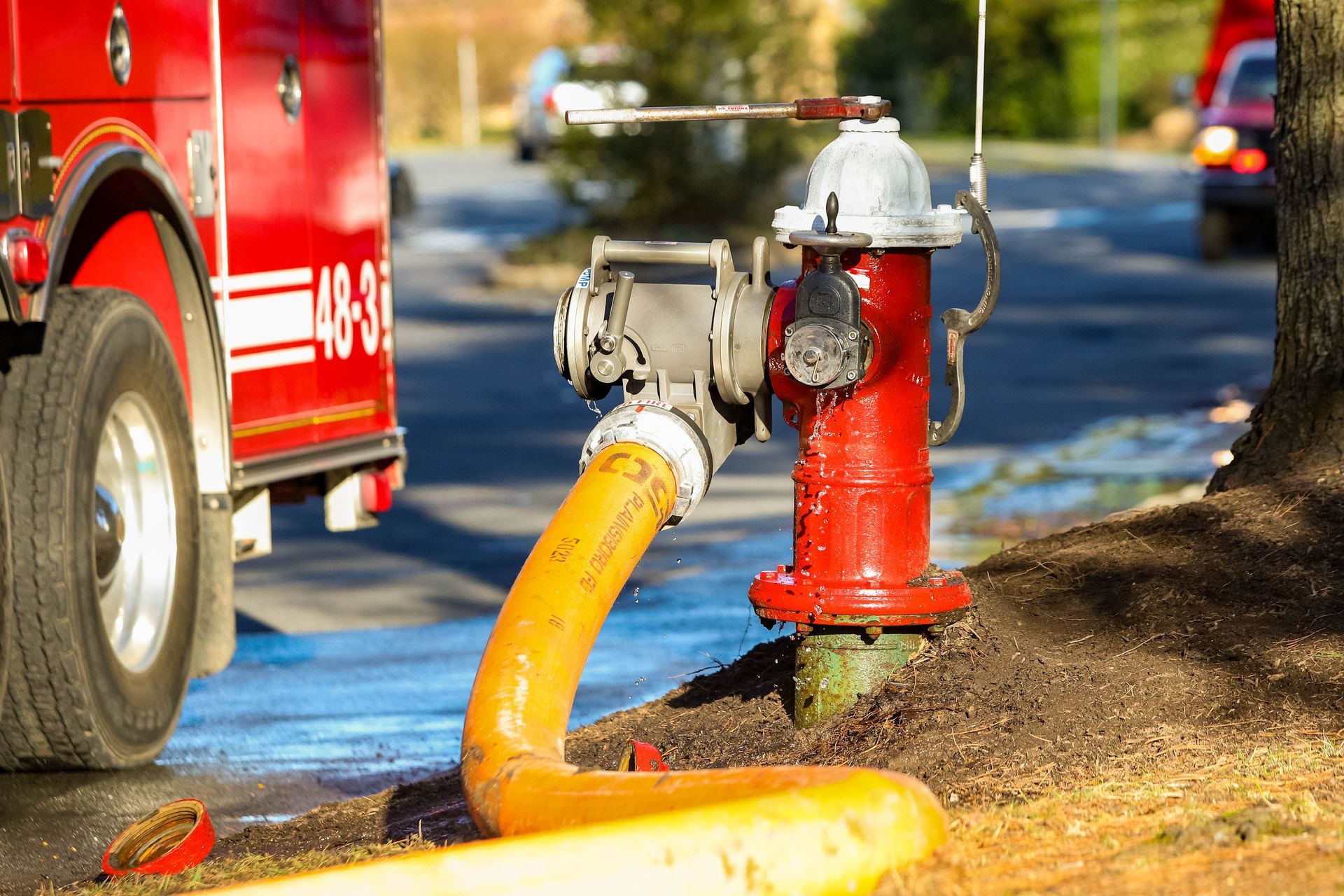
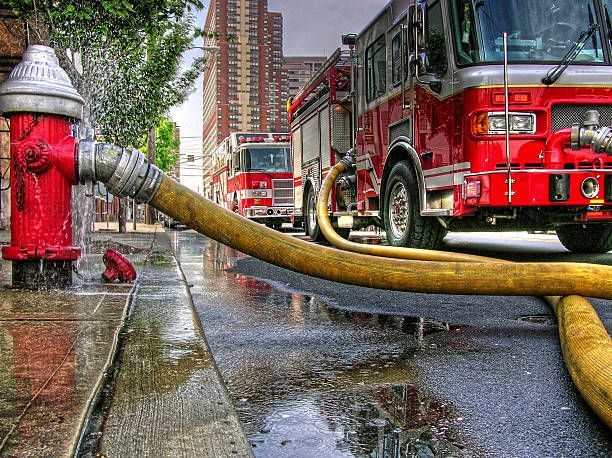
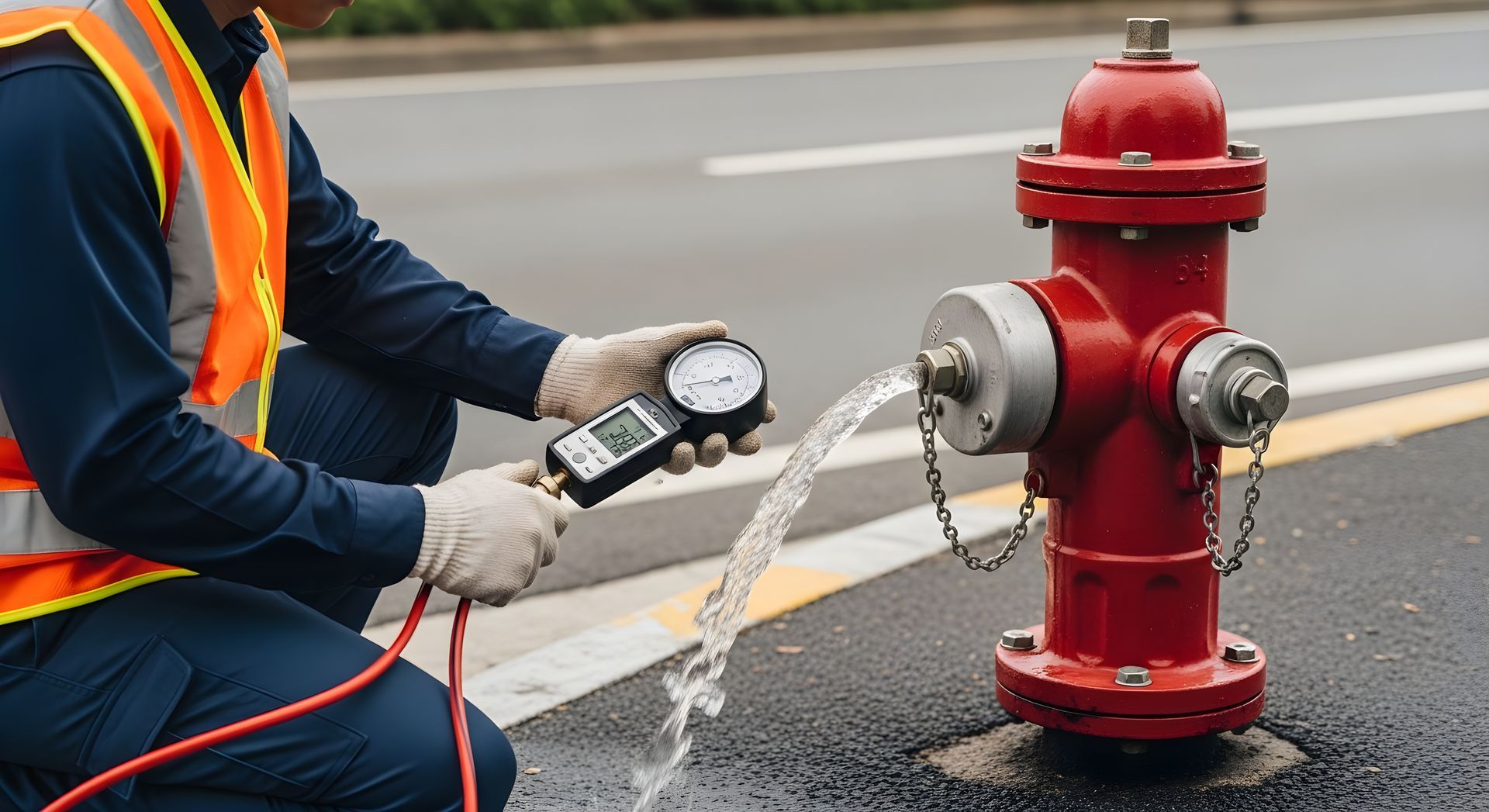
Technicians connect a pitot gauge to a flowing hydrant and a pressure gauge to a nearby static hydrant, producing a three-point snapshot: static PSI, residual PSI at a recorded GPM, and available flow at 20 PSI residual. These numbers are plotted on a water supply curve and compared against the NFPA 13 demand curve. If supply doesn't exceed demand with a safety margin, the design must be adjusted or a fire pump added.
Why Newark's Water Infrastructure Makes Flow Testing More Important
Newark's pipe network adds real complexity to sprinkler design, which is why fire hydrant water flow testing matters here. With more than 1,000 miles of pipe over 100 years old, aged cast iron mains carry tuberculation that reduces internal diameter and lowers available flow. Pressure can also vary by ward and block depending on main size and proximity to a pressure zone boundary.
Newark is also in a construction boom. In 2024, the city approved connections for 34 major developments and 167 two- to three-family homes, each drawing more demand from the same mains. A test from two or three years ago may no longer reflect current conditions, so officials recommend more frequent testing.
Find Allstate Fire Technologies on Google Maps for directions and business details.
How Flow Test Data Connects to NFPA 13 Design
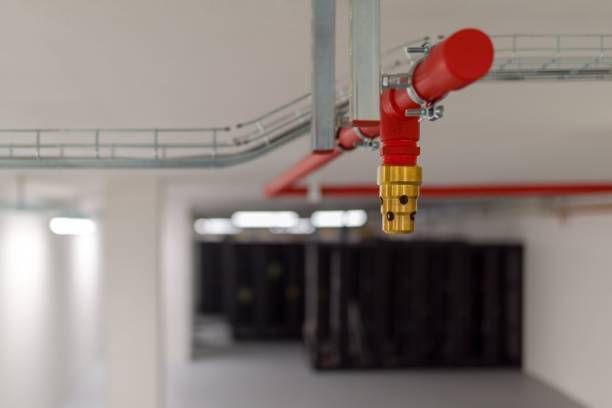
NFPA 13 requires the water supply to meet or exceed combined sprinkler demand plus hose stream allowance. If pressure at the riser is low, designers may increase pipe diameters, reduce the density area, or add a fire pump. No head can fall below 7 PSI, or the water can't push out the cap when the bulb breaks.
Fire hydrant water flow testing in Newark, NJ, is the foundational input that makes those calculations possible.
When Should Building Owners Schedule a Flow Test?
▸ Pre-design for new construction or major renovation before submitting plans to the city's water and sewer department.
▸ After a nearby main break or repair that could have altered system pressure.
▸ When more than two years have passed since the last documented test.
▸ When applying for a new occupancy permit, since local codes mandate hydrant flow tests in Newark, NJ, for occupancy permits.
▸ When an insurer requests updated flow documentation to assess fire protection risk.
What Does a Flow Test Report Include?
A certified report includes static pressure, residual pressure at measured GPM, available flow at 20 PSI, hydrant location, test date, and the technician's license number. It supports plan review submissions to the Newark Department of Water and Sewer Utilities and the authority having jurisdiction for permit approval.
Get Expert Flow Testing Support in Newark, NJ
Allstate Fire Technologies, serving Newark, NJ, has provided licensed fire hydrant flow testing
and
fire sprinkler services to residential and commercial property owners throughout Essex County since 1990. Their certified technicians deliver detailed, code-compliant reports that designers and building officials can use with confidence. Call
(973) 353-0011 to schedule your test or
contact the team online to discuss your project timeline.